Garage door openers work hard every day. Over time, parts wear down, sensors lose alignment, and internal components begin to struggle. Small warning signs often appear long before the opener stops working completely. Paying attention to those signs can help you avoid larger problems and unexpected breakdowns that may disrupt your day. Many homeowners wait until the opener fails before seeking help. Recognizing early signs of trouble allows you to schedule garage door opener repair before the situation becomes more expensive or inconvenient.
Garage doors make some sound during operation, but new or louder noises often signal trouble. Grinding, squealing, or rattling sounds often point to worn gears or loose hardware inside the opener system. Chain-driven openers may produce noise if the chain loosens excessively.
Most garage doors open and close within a predictable time frame. A noticeable delay or sluggish movement suggests the opener struggles to handle the door’s weight. This problem may stem from worn motor components, aging gears, or tension issues within the door system. Springs that lose strength can also place extra strain on the opener.
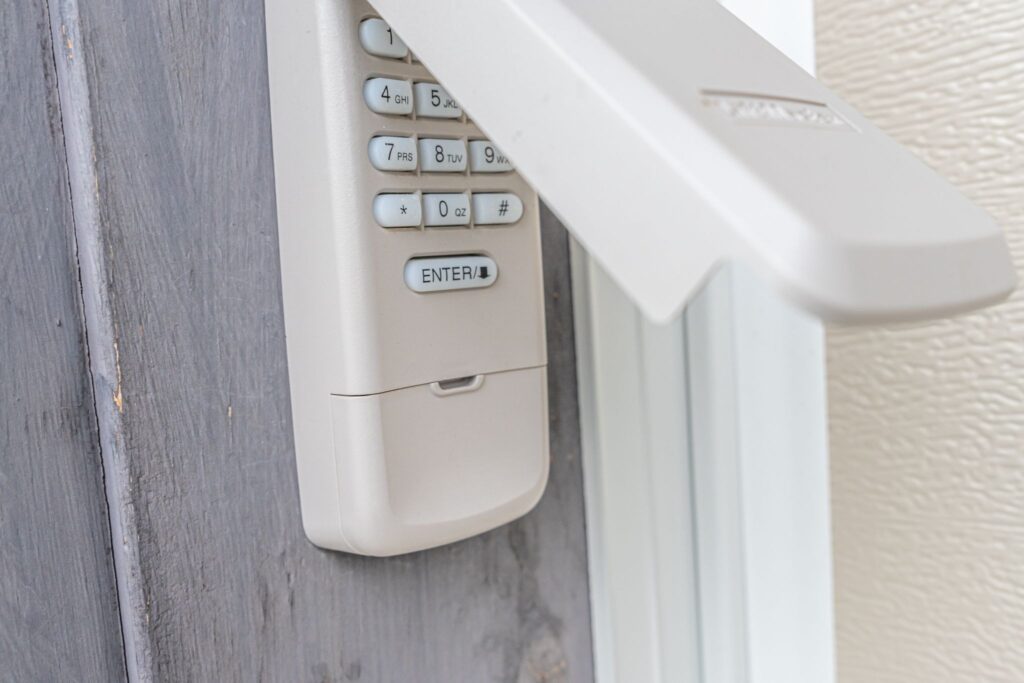
A garage door opener should respond quickly when you activate the remote or wall switch. A delay of several seconds or repeated button presses usually signals a problem. Electrical issues often cause this behavior. Loose wiring, failing circuit boards, or aging receivers can interrupt communication between the remote and the opener.
Many homeowners assume the remote battery caused the problem when their opener stops responding. Fresh batteries should restore normal operation. If the door still refuses to respond, the issue may involve the opener’s receiver or antenna. Interference from nearby electronics may also affect the signal.
This situation usually points to a communication issue rather than a mechanical failure. The opener motor still operates normally through the wall control, yet the remote cannot trigger the door.
Garage door openers include safety features designed to prevent accidents. Sensors near the bottom of the door detect objects in the path of the door and trigger an automatic reversal. A door that reverses without anything in the way often indicates sensor trouble.
Small sensors sit on both sides of the garage door opening. These sensors must face each other directly to create an invisible safety beam. Dust, vibration, or accidental bumps can knock the sensors out of alignment. When the beam breaks, the opener assumes an obstacle blocks the door and stops the closing cycle.
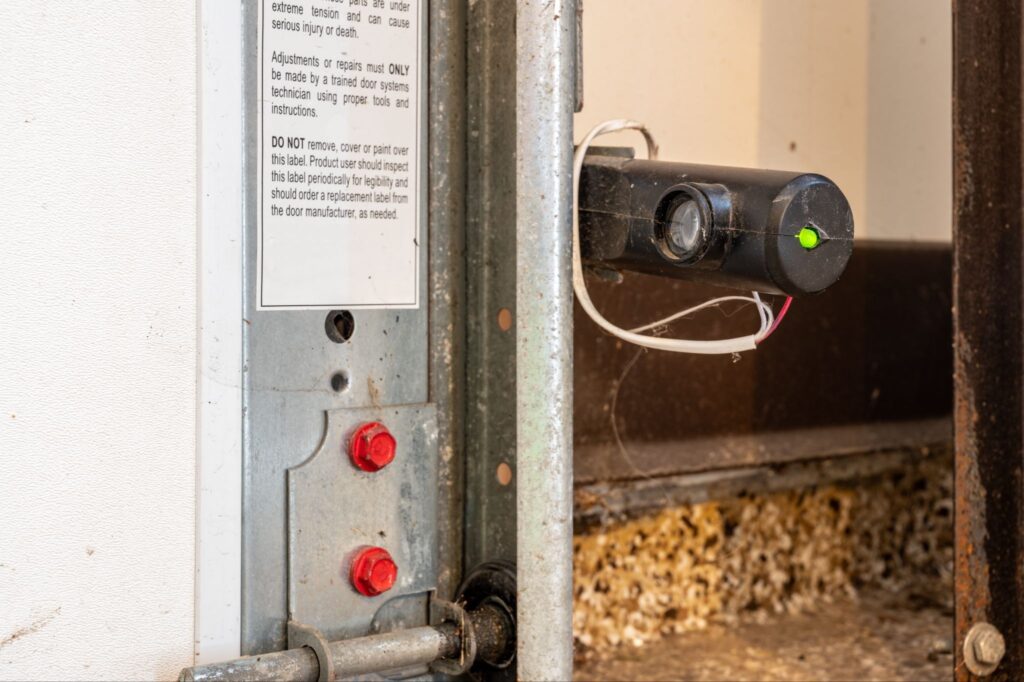
Garage environments collect dust, cobwebs, and debris. Dirt on the sensor lenses can interrupt the safety beam and cause the door to reverse repeatedly. Cleaning the lenses may solve the problem. Cracked housings or damaged wiring require professional repair.
A garage door that stops halfway during operation often signals a mechanical issue. The opener motor may struggle with resistance caused by worn rollers, misaligned tracks, or aging springs. The opener senses the strain and stops to prevent damage.
Inside the opener housing, gears and drive systems transfer power from the motor to the door. These components wear down after years of regular use. Grinding sounds combined with incomplete door movement usually signal worn gears. A technician can replace these parts during garage door opener repair and restore normal operation.
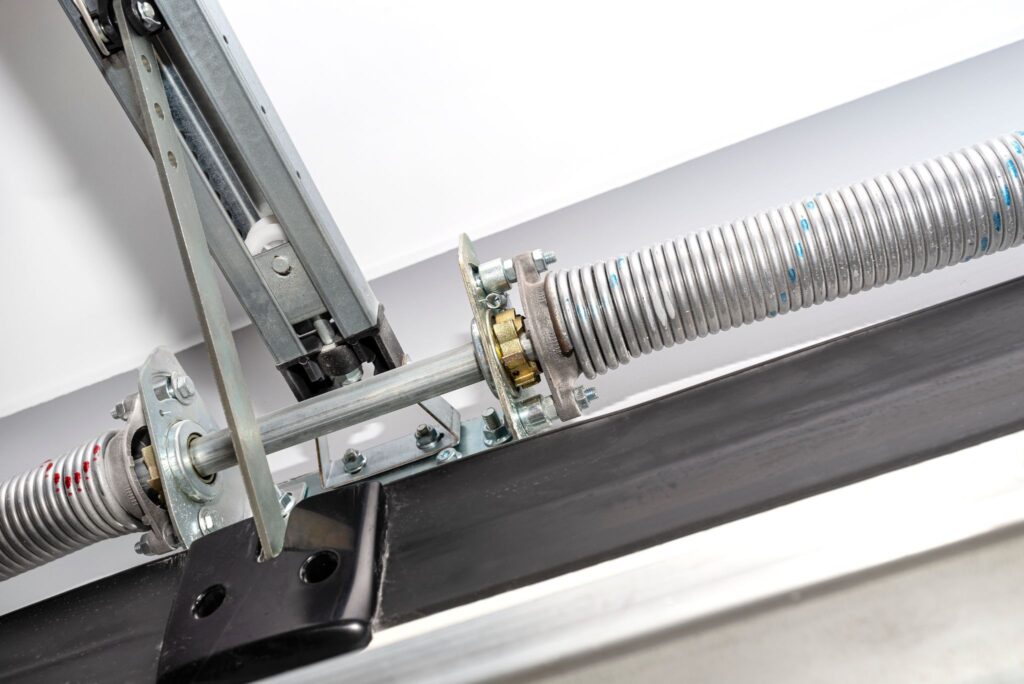
Garage door springs carry most of the door’s weight. Weak springs force the opener motor to work harder than intended. A struggling opener may stop midway or reverse direction. Repairing the opener without addressing worn springs will not solve the problem long term and it is best to replace springs before they break. Only a trained technician should repair garage door spring issues. Without the right tools and training, attempting to remove and replace garage door springs yourself can be very dangerous.
Excessive vibration usually means parts inside the opener system have loosened or worn down. Loose mounting brackets may allow the opener motor to shift during operation, while worn chains or belts may also create shaking and jerking movements as the door opens.
Garage door openers attach to the ceiling with heavy-duty brackets. Over time, vibration can loosen bolts or fasteners. Loose hardware allows the opener to move during operation, which increases wear on internal components. Tightening the mounting system during garage door opener repair restores stability and prevents further damage.
Chain-drive and belt-drive systems rely on consistent tension to operate smoothly. Slack in the system may cause jerky movement or vibration.
A technician can adjust the tension and inspect the drive components for wear.
Modern garage door openers include built-in diagnostic systems. Blinking lights or error codes often indicate a specific problem. Different brands use unique patterns to signal issues with sensors, motors, or electrical components.
A malfunctioning garage door opener can interrupt your daily routine and create unnecessary stress. A garage door opener rarely fails without warning. Noises, slow operation, and inconsistent responses often appear weeks or months before a major breakdown. Interstate Garage Doors provides expert garage door opener repair for homeowners across South Central Pennsylvania, Hagerstown, Maryland, and Martinsburg, West Virginia. Our technicians service all makes and models and work quickly to restore safe, reliable operation.
Call (717) 423-9047 today or fill out the online form to schedule service. A smooth, dependable garage door opener starts with the right repair team.
The largest moving object in your home is your garage door, and if it’s not working properly, it can pose serious risks to your family’s safety. A garage door safety check doesn’t take long, but it can make a big difference in preventing injuries and damage. Garage doors move with a surprising amount of force. They rely on springs, cables, rollers, sensors, and a motor to function smoothly. If just one part fails, the whole system can become dangerous. A yearly safety check helps catch problems before they turn into accidents.
Garage doors might look simple on the outside, but a lot goes on behind the scenes every time it opens or closes. If any part is worn or misaligned, the entire system becomes unpredictable.
Torsion springs hold a huge amount of tension. If a spring snaps while the door is moving, it can send parts flying or cause the door to slam shut. Cables that fray or loosen may also snap under pressure. These parts need regular inspections, not just to stay functional, but to stay safe.
Photo-eye sensors near the bottom of the door are designed to detect movement and stop the door from closing if something or someone is in the way. If these sensors become dirty, misaligned, or stop working, the door may reverse without warning. Children and pets are especially vulnerable in this situation.
Garage door openers should reverse the door if they sense resistance. If this feature isn’t tested regularly, you could have a serious hazard on your hands. A malfunctioning auto-reverse is one of the top issues found during a garage door safety check.
A full safety check includes more than just pressing the opener and watching the door go up and down. It involves hands-on testing, close inspections, and tightening or adjusting key components.
If a door isn’t balanced properly, the opener works harder than it should, and the door may slam shut or refuse to open. A technician will disconnect the opener and lift the door manually. If it slams shut or flies open, there’s a balance issue that needs fixing.
Rollers, tracks, hinges, and cables wear down over time. A technician looks for cracks, rust, or looseness that might cause future failure. Lubrication also gets applied to parts that need it.
Garage door safety depends on the reliability of the auto-reverse and photo-eye sensors. During a safety check, the technician places an object in the door’s path and tests whether the door reverses properly. They’ll also clean and align the sensors to make sure they’re doing their job.
The garage door opener itself should respond instantly, not struggle or hesitate. A technician will check the opener's power, settings, and safety features. They’ll make sure it’s up to date and working as it should.
People often don’t think about their garage door until it stops working. But waiting for something to break can lead to injuries or property damage. Garage door safety is easy to forget until it isn’t. Some homeowners assume their opener’s sensors or auto-reverse will always catch problems. Others think their newer system doesn’t need regular maintenance. But mechanical parts wear down with use, and safety features can fail without warning. If you've ever pulled into your garage and the door didn't open all the way, or if it slammed unexpectedly, then you know how important it is to find a solution before something worse happens.
Even a small misalignment or worn cable can lead to a door dropping suddenly or refusing to close. If a door closes on a car or bike, it’s inconvenient. But if it closes on a person or pet, it’s a serious emergency. That’s why garage door safety needs to stay on your annual checklist.
Garage doors also affect home security. If the door doesn’t close all the way or pops open unexpectedly, you’re leaving your garage and maybe your home open to anyone passing by.
Interstate Garage Doors offers expert garage door safety checks that help protect your family and your home. If you’ve noticed odd noises, jerky movement, or slow response, it’s time for a checkup. Call 717-263-3150 or fill out our online form to schedule your garage door safety inspection today.
A broken garage door spring can stop your entire day. The door won’t open, your vehicle is stuck inside, and the situation becomes frustrating fast. That frustration might push you to grab some tools and try to fix it yourself. But attempting to replace a garage door spring without the right training and tools is dangerous.
Garage door springs are not simple pieces of hardware. Their job is to counterbalance the full weight of the door, which can range from 150 to over 400 pounds. That means the tension stored in those tightly wound coils is enough to cause serious injury if it’s released the wrong way. If you've ever seen a garage door slam shut unexpectedly, chances are the spring failed or came loose. Now imagine being close to that spring when it snaps. People have broken bones, suffered deep cuts, or worse, from trying to replace garage door springs on their own. It’s not worth the risk.
A set of pliers and a ladder won't cut it. Proper spring replacement requires winding bars, safety equipment, and an understanding of the door’s balance. Makeshift tools can slip under pressure, causing your hand or face to be in the wrong place at the wrong time.
Each garage door spring must be installed with precision. One wrong turn of the wrench, or winding the spring too tight or too loose, can throw off the entire system. If the door becomes unbalanced, it may fall without warning or strain the opener until that breaks, too.
You might think you're strong enough to handle it. But physical strength isn't the issue. It requires a lot of control. Torsion springs store a massive amount of energy, and if that energy is released suddenly, it moves faster than you can react. The results can be serious and immediate.
Professional garage door technicians go through hands-on training to learn how to work with high-tension systems safely. They understand the exact amount of tension each spring type requires and how to adjust it without risking injury or damage to the door. When you replace garage door springs without that experience, you’re making a guess. And with this kind of repair, a guess can lead to a dangerous mistake.
A professional technician can usually replace garage door springs in under an hour. They come with the right tools, correct springs for your door’s weight and size, and a clear process that keeps safety first. You don’t have to worry about trial and error or a trip to the emergency room.
Improper spring installation can wear down other parts of the system, including cables, rollers, and the garage door opener. Hiring a professional helps make sure everything stays in working condition. A smooth-running door lasts longer and saves you money on future repairs.
When a professional installs new springs, you know the job was done right. You won’t second-guess whether the door is going to come crashing down or get stuck halfway. That peace of mind is worth far more than the few dollars you might think you're saving by doing it yourself.
Interstate Garage Doors has replaced thousands of broken springs across South Central Pennsylvania, Hagerstown, Maryland, and Martinsburg, West Virginia. Our technicians work on every type of residential and commercial garage door system. We carry the right replacement springs, and we install them with precision and care. If you’re dealing with a broken spring, don’t try to muscle through it alone. Let our team handle the risk and get your garage door working again without delay.
Don’t take chances with something as dangerous as trying to replace garage door springs yourself. Trust the trained experts at Interstate Garage Doors to fix it quickly and safely. Call 717-263-3150 or fill out our online form to schedule your spring replacement today.
Smart garage door openers have changed the way people access and control their garages. Homeowners now have the ability to open, close, and monitor their garage doors from anywhere using a smartphone. But are they actually worth the investment? Let’s break it down.
Leaving the house and wondering if the garage door was left open is a common worry. A smart garage door opener eliminates that concern. With just a glance at your phone, you can see the current status and close it remotely if needed. You don’t need to turn around, call a neighbor, or rush home to check. Many of the best smart garage door opener models also allow you to set custom schedules. You can program your door to close at a specific time each night, adding an extra layer of security. Some systems even offer voice control through devices like Amazon Alexa or Google Assistant, making everyday tasks faster and easier.
Standard garage door openers rely on physical remotes or wall-mounted buttons. These work fine until the remote goes missing or the power goes out. A smart garage door opener offers more reliable access and tighter security. You can receive real-time alerts if the door opens unexpectedly. You can also share temporary access with family members, dog walkers, or delivery drivers without needing to hand over a remote or keypad code. It’s safer and more flexible. Several of the best smart garage door opener systems include video monitoring features or integrate easily with existing home security cameras. That makes it easier to keep an eye on activity near your garage, even if you’re across the country.
Most smart garage door openers connect through Wi-Fi and use very little power. Some even notify you when it’s time for maintenance or if a part is wearing down. That can help prevent bigger issues and expensive repairs down the road. If the door doesn’t close properly, the app can notify you instantly. That might seem small, but preventing drafts and keeping the door sealed helps improve home energy efficiency, especially during winter months.
In many cases, smart garage door openers can work with older systems. If you already have a garage door opener that works well, you might be able to upgrade it by adding a smart controller. These devices connect to your existing system and offer similar features to a full smart opener. However, if your current opener is outdated or unreliable, you may want to replace it altogether. Many of the best smart garage door opener models come with updated motors, better sensors, and quieter operation compared to older units.
The price of a smart garage door opener can vary. A high-end model with extra features like video integration will cost more than a basic setup. But the added convenience, security, and peace of mind often outweigh the cost for many homeowners. There’s also long-term value in avoiding missed deliveries, preventing break-ins, or catching mechanical issues before they get worse. When you factor in those potential savings, a smart garage door opener becomes less of a luxury and more of a smart investment.
If you’re comparing options, focus on features that match your needs. Some of the most important things to look for include:
The best smart garage door opener doesn’t need every feature under the sun, it just needs to work reliably for your specific setup and lifestyle.
With so many models available, it can be hard to know which one is worth your money. LiftMaster is one of the most trusted names in the industry and offers several smart openers with strong safety features and reliable performance. Whether you want something basic or feature-packed, LiftMaster likely has an option that fits. Keep in mind, professional installation ensures that the opener works properly and safely. Trying to install a smart opener without the right tools or experience could lead to problems down the road.
Interstate Garage Doors provides professional garage door opener installation for homeowners who want reliability, convenience, and security. Whether you're upgrading an outdated system or installing an opener for a new door, our team ensures smooth, quiet operation with advanced safety features.
We install high-quality openers with options like WiFi connectivity, smartphone control, battery backup systems, and enhanced security technology. Proper installation ensures long-term performance and protects both your garage door system and your home.
Ready to Upgrade? We’ll Help You Make the Right Choice
If you're thinking about installing a smart garage door opener, you don’t have to figure it out on your own. Interstate Garage Doors can help you choose the best smart garage door opener for your home or business. We install and service high-quality openers, including top-tier models from LiftMaster. Call 717-263-3150 or fill out our online form to get started today.
When your garage door opener stops working, the day can come to a halt pretty quickly. Maybe the remote won’t respond, the door starts but won’t close, or the motor sounds like it’s working, but nothing’s moving. Garage door openers do a lot of heavy lifting, and eventually, wear and tear shows up in different ways. Before replacing your system or calling for help, there are a few things you can check on your own. Understanding how garage door openers function and knowing what problems to look for can save time, frustration, and sometimes money.
Garage door openers need power, and sometimes the fix is as simple as plugging something back in.
Make sure the opener is still plugged into its power outlet. A cord may have been pulled loose, or the outlet could have tripped. Try plugging in a different device to confirm whether the outlet is working. If it’s dead, reset the breaker or GFCI switch.
Most garage door openers have a light that turns on when they receive power. If the light isn’t turning on, it’s another sign the unit isn’t getting electricity.
If the opener isn’t responding, don’t immediately assume the motor has failed.
Remote batteries die more often than most people think. Try using the wall switch inside the garage. If the wall switch works but the remote doesn’t, replace the remote batteries.
Garage door openers can sometimes lose the connection to remotes. Check the opener’s manual for steps to reprogram the remote. On many models, this involves holding down a "learn" button on the opener and then pressing a button on the remote.
If your opener makes noise but doesn’t move the door, the problem is likely mechanical.
You may have accidentally pulled the emergency release cord. This red cord disconnects the opener from the door, allowing manual operation. If the door moves freely by hand, reconnect the opener to the trolley by running the opener until it clicks back into place.
Garage door openers use chains, belts, or screw drives to move the door. If the motor runs but nothing moves, parts inside the drive system may be worn or broken. You might also notice grinding or humming sounds. This issue usually requires replacement parts or professional repair.
Photo-eye sensors near the base of your garage door track prevent the door from closing on objects, pets, or people. These sensors must be aligned and clean.
Look for blinking lights on the sensors, which usually signal misalignment. Make sure both sensors face each other and that their LED indicators are steady. Adjust the angle of the sensor brackets and gently tighten them back into place.
Dust, cobwebs, and dirt can block the sensor’s signal. Wipe the lenses with a soft cloth and check again.
Some problems with garage door openers have nothing to do with the opener itself. A stuck or imbalanced door can keep the opener from working correctly.
Disengage the opener with the emergency release cord and lift the door by hand. If the door is heavy or doesn’t move smoothly, the problem could be with the springs, rollers, or track. A stuck or unbalanced door puts stress on the opener and can damage it over time.
Check for bent tracks, worn rollers, or broken springs. If you notice broken springs, don’t try to fix them yourself. Garage door springs are under high tension and can cause injury if handled incorrectly.
Strange noises are often the first sign something is wrong.
A few minutes of maintenance can help avoid major breakdowns. Tighten loose bolts, lubricate the opener’s chain or belt, and clean the tracks. Keeping the door and opener clean and well-maintained gives you more reliable performance and helps extend the life of the system.
If your garage door opener still won’t work after these steps, it’s time to get help. The team at Interstate Garage Doors is ready to handle anything your opener throws your way. We service all makes and models and carry quality openers if you need a replacement. Call us today at 717-263-3150 or fill out our online form to schedule a visit. We’ll get your garage door opener back in action, fast and professionally.
Your garage door works hard every day, opening and closing in the heat, rain, snow, and everything in between. That constant exposure to the elements can start to cause problems over time. Many homeowners don’t realize how much weather can affect the way their garage doors operate until something breaks down or starts acting strange. Each season brings its own set of weather-related garage door problems. If your door has ever stuck in the middle of winter or made strange noises on a hot summer day, then you know how frustrating it can be. Let's look at how weather can create issues and what to watch for throughout the year.
Winter brings more than just snow and ice. It also brings problems that can stop your garage door from working properly. Metal parts like springs, rollers, and tracks can contract in the cold. This can lead to stiffness, squeaking, or full-on jams. Moisture is another big concern. Water that seeps into cracks or collects near moving parts can freeze overnight. Frozen moisture can cause your garage door to get stuck shut or even damage the opener motor if it tries to force the door open. Cold weather can also cause your garage door opener’s lubricant to thicken. When this happens, parts don’t move as smoothly. The opener may strain or stop working altogether if it’s pushing against stiff components.
During the summer, high heat can be just as tough on your garage door. Metal expands when it gets hot. This can throw off the alignment of the tracks and cause rollers to move unevenly. In extreme heat, you may notice your door becomes louder or moves in a jerky way. Heat can also affect the electronics in your garage door opener. If the unit is mounted in a space with poor ventilation, overheating can cause it to shut down or operate unpredictably. On top of that, UV rays can weaken certain materials. Weatherstripping around the frame may crack or peel after long exposure to direct sunlight. This leads to energy loss and leaves your garage open to dirt, bugs, and moisture.
Heavy rain and high humidity can also lead to garage door problems. Moisture buildup can cause wooden doors to swell or warp. This makes it harder for the door to open and close correctly. Water can also rust metal parts if the protective coatings wear off. Rusted springs and hinges weaken the system and often lead to unexpected breakdowns. If your garage isn’t sealed well, water can seep into the opener’s electrical components which can cause short circuits or create unsafe conditions, especially if power tools or storage boxes are nearby.
Strong winds can shake the entire garage structure during storms or windy fall days. This stress can loosen bolts or throw doors off their tracks. If the door isn’t rated for high wind loads, it could even collapse inward under pressure. Storm debris is another threat. Branches, leaves, or other materials can get caught in the tracks, sensors, or rollers. If these parts get blocked, the system may refuse to open or close as a safety measure. High winds can also affect the alignment of the safety sensors. If they’re not aimed correctly, your opener may think something is in the way even when there isn’t.
Rapid changes in temperature are also tough on garage doors. Going from freezing nights to warm afternoons can cause materials to expand and contract too quickly. Over time, this back-and-forth weakens seals, warps panels, and stresses the door’s entire support system. Garage doors that are exposed to extreme swings without regular maintenance are more likely to suffer from cracking panels, off-track rollers, or sensor malfunctions.
The best way to avoid weather-related garage door problems is by staying ahead of them. Weatherstripping should be inspected regularly for gaps, cracks, or signs of wear. Lubricating the moving parts helps them function properly through hot or cold spells. Sealing your garage door opener’s electronics against moisture and keeping the area well-ventilated can also protect against temperature-related issues. If your door hasn’t been checked in a while, a professional inspection can catch problems before they turn into a broken spring or stuck door.
If you're dealing with any garage door problems caused by the weather, or want to prevent them before winter hits, Interstate Garage Doors is ready to help. Our team knows how to keep your system working no matter what the seasons throw at it. Call 717-263-3150 or fill out our online contact form to schedule your service today.
Historic homes carry charm and character you don’t find in modern construction. With their wide porches, tall windows, wood siding, brick details, these homes were built with personality. When it's time to upgrade a garage door, you can’t just install any door and expect it to match. The wrong style can clash with the architecture and take away from the home’s appeal. Some historic homes may also need approval from a local historic preservation board or commission. If you’re living in a Colonial, Victorian, Craftsman, or Farmhouse-style home, the right garage door can actually enhance the appearance, not just blend in. Choosing the right style means paying attention to materials, hardware, color, and design that fit the age and character of the house.
Modern garage doors are often designed for efficiency and simplicity. Historic homes weren’t. They were built in a time when design meant something. The garage door often sits front and center on many homes, and it can either add to the style or distract from it completely. Older homes often have distinctive trim, window shapes, and materials. A plain steel garage door with no detailing usually sticks out in the worst way. Matching your garage door to your home’s era helps preserve its original look while still giving you modern function.
Carriage house garage doors are one of the most popular styles of garage doors for historic homes. These doors look like old swing-out barn doors but operate with modern overhead convenience. They work well with homes built before the 1940s, including Colonials, Tudors, and Victorian styles. Carriage house doors usually feature decorative handles, cross-bracing, and windows that match the home’s front elevation.
Natural wood has been used in traditional home design for centuries. It’s no surprise that real wood garage doors pair beautifully with historic homes. They can be custom-built to match trim, siding, and window shapes exactly. Whether it’s vertical slats, V-groove panels, or arched tops, wood lets you match the look down to the smallest detail. That said, real wood does need maintenance. If you want the look without the upkeep, steel or composite doors with wood-grain finishes may be an option. These give you the same warm texture without the worry of rot or warping. It’s one of the most practical styles of garage doors for homeowners who want beauty and durability.
The windows on your garage door should echo the window shapes and sizes already used in your home. Victorian homes often feature small panes and arched or curved tops. Craftsman homes lean toward squared shapes and grilles. A garage door with the wrong window style can feel out of place, even if the color and material are correct. Arched top windows or simulated divided lights (grilles over the glass) can help tie the garage into the rest of the home. Choose frosted or seeded glass for a period-appropriate touch and added privacy.
Choosing the right color is just as important as choosing the right shape and material. Bold modern colors rarely work on a historic home. Stick to neutral tones that match your home’s trim or siding. White, off-white, beige, or brown tend to work well with older homes. If your home already has painted accents, the garage door can match those to keep a unified look. Avoid bright or trendy colors unless they were historically accurate for your home’s original construction era.
The small details matter more than you might think. Decorative hardware like handles, hinges, and straps can give your door that extra touch of authenticity. Black wrought iron hardware works well with carriage house styles and can make a modern door feel older and more traditional. These accents create visual interest and help the garage door feel like a natural part of the home instead of a later addition.
Carriage house garage doors combine classic design with modern performance. Interstate Garage Doors installs carriage-style doors that enhance curb appeal while delivering the durability and insulation benefits of today’s garage door systems.
Available in steel, composite, and wood-look finishes, these doors add architectural character without sacrificing reliability. Whether you're upgrading your home's exterior or building new, carriage house garage doors offer a timeless aesthetic with modern convenience.
Your home tells a story, and the garage door is a major part of the aesthetic. If your garage door feels out of place on your historic home, it might be time to explore a better match. Interstate Garage Doors installs and services a wide range of garage doors that suit a variety of architectural styles. Call 717-263-3150 or fill out our online form today to learn how a new garage door can bring out the best in your historic home.
Planning a new garage or replacing an existing door? One of the most important choices you'll make is the size. Choosing the wrong width can lead to tight parking, damaged mirrors, or not enough space to move around. Whether you're building new, remodeling, or just trying to solve an everyday headache, getting the size right matters.
Most homes use either a single-car or double-car garage door, and these sizes have stayed fairly consistent across the board.
Here’s a quick breakdown of the most common sizes:
Single-car doors usually measure 8, 9, or 10 feet wide. An 8-foot door works for compact cars and smaller vehicles, while 9 feet has become the go-to for mid-size sedans and SUVs. Some garages offer 10 feet of width, which adds extra clearance and makes parking more comfortable, especially for wider vehicles.
Double-car garage doors are designed to comfortably fit two vehicles, but even within that category, size makes a difference. If you're wondering how wide a two car garage door should be, you're likely choosing between 16 and 18 feet.
Some homeowners choose a 20-foot door or larger for extra flexibility, especially when parking large trucks or using part of the garage for storage or workspace.
Your garage door should match your lifestyle and the size of your vehicles. Having an extra wide garage door is helpful for:
Before you choose a size, take the time to measure your garage carefully.
Start by measuring the width and height of the actual opening, not the frame, trim, or the full garage wall. Measure in multiple spots to catch any uneven areas.
Check for obstacles like light fixtures, pipes, shelving, or electrical boxes. These can all impact the type of door or track system you can install.
Different types of garage doors need different track systems. You’ll need enough ceiling space for the track and the opener. Measure the depth of the garage as well as the headroom above the opening.
Give yourself room to walk around parked vehicles, open car doors, and move items in and out. Clearance matters just as much as the door itself.
The size of your garage door also affects curb appeal. A well-proportioned door looks balanced and adds value to your home.
Different garage door styles may have unique frame requirements or thicknesses that change how they function.
You don’t need to guess or settle for something that almost works. Interstate Garage Doors will help you choose the perfect size and style for your home, your vehicles, and your lifestyle. Call 717-263-3150 or fill out our online form to get started. Let’s make your garage work better, starting with the right door.
If your garage door opener is slowing down, making too much noise, or struggling to lift your door, you may need a new one. But before heading to the store or ordering online, it’s smart to ask: what size garage door opener do I need? That’s not just a question of physical space. Let’s break down the key factors that help determine the right size opener for your garage door so you can make the right decision.
The size and weight of your garage door will directly influence the horsepower your opener needs. Most residential garage doors are either single or double doors. Single doors are lighter and typically measure 8 to 10 feet wide. Double doors can reach up to 16 feet wide and are much heavier. If your door is a standard single, a ½ horsepower opener usually works well. If it’s a double door or made of a heavy material, you’ll need more power—typically ¾ horsepower or higher.
Not all doors weigh the same. A lightweight aluminum or fiberglass door doesn’t need as much force to lift as a wood or insulated steel door. Heavier materials demand a stronger motor. If you have a wood door or an insulated steel model with double-layered panels, don’t cut corners. Go with at least a ¾ horsepower opener. Skimping here will wear out your opener quickly and create more noise during operation.
A smaller opener that isn’t strong enough will make more noise. That’s because it struggles to lift the door each time. On the other hand, more powerful motors, like 1 horsepower units, may create more sound due to the bigger motor itself. If your garage is attached to your home and shares walls with a bedroom or living space, consider how much noise matters to you. Belt drive openers are quieter than chain drives, and a properly sized motor will run smoother with less strain.
Larger openers with higher horsepower motors may take up more ceiling space. If you already have storage racks or low clearance in your garage, make sure you measure first. Wall-mounted openers, also called jackshaft openers, can help if space is tight. They mount beside the door instead of on the ceiling and work well for garages with high or sloped ceilings.
It’s tempting to buy a cheaper opener with less horsepower to save money upfront. But that often leads to higher repair costs later. An undersized opener has to work harder, which can burn out the motor or strip the gears. Higher horsepower openers tend to last longer because they don’t strain as much.
There are three common types of openers, and they each serve different needs:
These are sturdy and affordable. A metal chain lifts the door. They’re great for detached garages where noise isn’t an issue.
These use a rubber belt instead of a chain, so they’re much quieter. They cost more, but they’re a great choice for attached garages.
Screw drive models use a threaded steel rod to lift and lower the door. They’re fast and have fewer moving parts, but they can be louder in cold weather.
If you're still determining what size garage door opener you need, horsepower is the key spec to look at. Matching the right horsepower to your door type gives you better performance, longer life, and less hassle.
If you're still unsure about what size garage door opener you need, it might be time for a professional opinion. Interstate Garage Doors installs and services garage door openers of all types and sizes. Whether you're dealing with a heavy wood door or a lightweight aluminum one, our team can recommend and install the right opener for your needs. Call us at 717-263-3150 or fill out our online form to schedule an estimate or installation. Let's make sure your garage door works smoothly, quietly, and reliably.
Garage door openers work hard every day. They lift, lower, and secure your garage with the press of a button. But like any machine, they wear out. If yours starts making odd noises, stops responding, or has safety features that no longer work, it might be time for a new one. Knowing how to replace a garage door opener can save you a lot of time and stress, especially if the old one quits unexpectedly.
If your opener still works but feels sluggish, or if the remote only works occasionally, start paying closer attention. Older models may lack safety sensors or rolling-code technology, both of which protect your home. A garage door opener that vibrates heavily or makes grinding sounds is likely nearing the end of its service life.
In some cases, repair makes sense. But if the motor is failing or the unit is over 15 years old, it’s usually smarter to replace it altogether. You’ll get a quieter, more reliable machine along with updated features like smartphone controls or battery backup.
Before learning how to replace a garage door opener, figure out which type you need. There are three main styles:
Also consider horsepower. Most residential garage doors work fine with a ½ horsepower motor, but heavier doors may need ¾ horsepower or more.
Replacing a garage door opener takes a few hours. You’ll need:
If the existing opener uses the same mounting style, you might reuse parts of the system. If not, plan on installing everything from scratch.
Before calling it done, check everything. Run the opener several times to make sure the door moves smoothly and quietly. Watch for any jerky movement, loud grinding, or misalignment. If anything feels off, go back and adjust the settings.
Replacing an opener might seem simple, but small mistakes can lead to big problems later, especially if the door doesn’t open or close properly. If you want to skip the hassle or you run into snags mid-project, call Interstate Garage Doors. Our trained technicians install new openers quickly and correctly, so your system works right the first time. Call 717-263-3150 or fill out our online form to schedule service or request a quote.




FIND US
5292 Cumberland Hwy,
Chambersburg, PA 17202
Serving South Central PA, Hagerstown, MD,
Martinsburg, WV, and Surrounding Areas
SHOWROOM HOURS
Monday–Friday: 8:00 AM – 4:30 PM
(Additional Showroom Hours by Appointment Only)