Can Weather Cause Garage Door Problems?
Your garage door works hard every day, opening and closing in the heat, rain, snow, and everything in between. That constant exposure to the elements can start to cause problems over time. Many homeowners don’t realize how much weather can affect the way their garage doors operate until something breaks down or starts acting strange. Each season brings its own set of weather-related garage door problems. If your door has ever stuck in the middle of winter or made strange noises on a hot summer day, then you know how frustrating it can be. Let's look at how weather can create issues and what to watch for throughout the year.
Freezing Temperatures Can Lock Up Your Garage Door
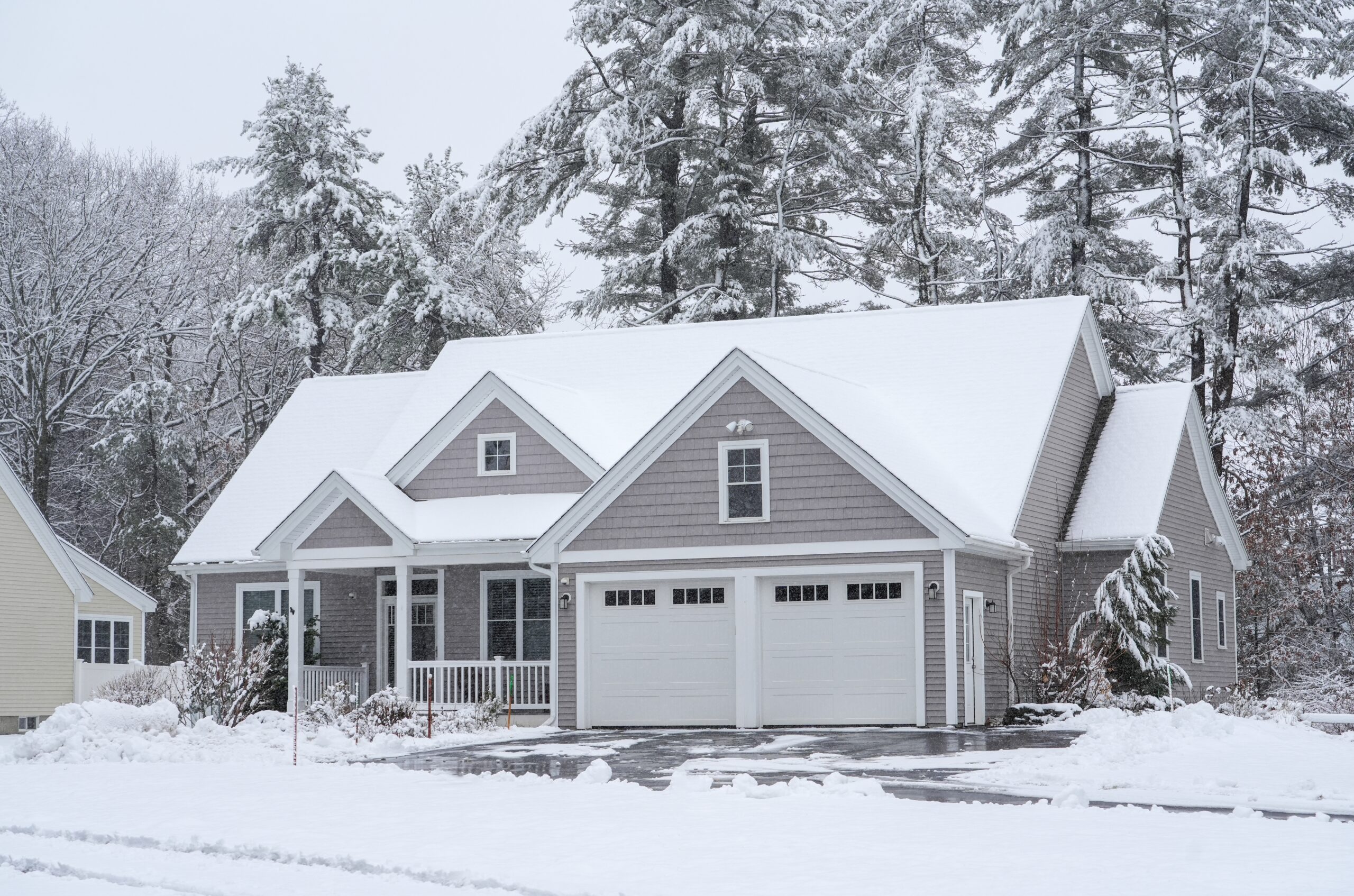
Winter brings more than just snow and ice. It also brings problems that can stop your garage door from working properly. Metal parts like springs, rollers, and tracks can contract in the cold. This can lead to stiffness, squeaking, or full-on jams. Moisture is another big concern. Water that seeps into cracks or collects near moving parts can freeze overnight. Frozen moisture can cause your garage door to get stuck shut or even damage the opener motor if it tries to force the door open. Cold weather can also cause your garage door opener’s lubricant to thicken. When this happens, parts don’t move as smoothly. The opener may strain or stop working altogether if it’s pushing against stiff components.
Hot Weather Causes Garage Door Parts to Expand
During the summer, high heat can be just as tough on your garage door. Metal expands when it gets hot. This can throw off the alignment of the tracks and cause rollers to move unevenly. In extreme heat, you may notice your door becomes louder or moves in a jerky way. Heat can also affect the electronics in your garage door opener. If the unit is mounted in a space with poor ventilation, overheating can cause it to shut down or operate unpredictably. On top of that, UV rays can weaken certain materials. Weatherstripping around the frame may crack or peel after long exposure to direct sunlight. This leads to energy loss and leaves your garage open to dirt, bugs, and moisture.
Humidity and Rain Can Invite Trouble
Heavy rain and high humidity can also lead to garage door problems. Moisture buildup can cause wooden doors to swell or warp. This makes it harder for the door to open and close correctly. Water can also rust metal parts if the protective coatings wear off. Rusted springs and hinges weaken the system and often lead to unexpected breakdowns. If your garage isn’t sealed well, water can seep into the opener’s electrical components which can cause short circuits or create unsafe conditions, especially if power tools or storage boxes are nearby.
Wind and Storms Can Knock Things Out of Place
Strong winds can shake the entire garage structure during storms or windy fall days. This stress can loosen bolts or throw doors off their tracks. If the door isn’t rated for high wind loads, it could even collapse inward under pressure. Storm debris is another threat. Branches, leaves, or other materials can get caught in the tracks, sensors, or rollers. If these parts get blocked, the system may refuse to open or close as a safety measure. High winds can also affect the alignment of the safety sensors. If they’re not aimed correctly, your opener may think something is in the way even when there isn’t.
Temperature Swings Can Stress the System
Rapid changes in temperature are also tough on garage doors. Going from freezing nights to warm afternoons can cause materials to expand and contract too quickly. Over time, this back-and-forth weakens seals, warps panels, and stresses the door’s entire support system. Garage doors that are exposed to extreme swings without regular maintenance are more likely to suffer from cracking panels, off-track rollers, or sensor malfunctions.
Weatherproofing Helps Prevent Garage Door Problems
The best way to avoid weather-related garage door problems is by staying ahead of them. Weatherstripping should be inspected regularly for gaps, cracks, or signs of wear. Lubricating the moving parts helps them function properly through hot or cold spells. Sealing your garage door opener’s electronics against moisture and keeping the area well-ventilated can also protect against temperature-related issues. If your door hasn’t been checked in a while, a professional inspection can catch problems before they turn into a broken spring or stuck door.
Don’t Let the Weather Take Down Your Garage Door
If you're dealing with any garage door problems caused by the weather, or want to prevent them before winter hits, Interstate Garage Doors is ready to help. Our team knows how to keep your system working no matter what the seasons throw at it. Call 717-263-3150 or fill out our online contact form to schedule your service today.